
For a long time, many youth programs started with one question: what’s wrong with this young person? The focus was on problems to fix, risks to avoid, and behaviour to correct.
Positive youth development flips that question around. Instead of asking what’s wrong, it asks what a young person needs to thrive. And very often, the answer starts with a caring adult who believes in them.
What Positive Youth Development Means
Every young person has strengths, even when those strengths are hard to see. This approach is built on that simple belief.
In simple words, positive youth development is an approach that helps young people grow by building on their strengths, rather than only fixing their problems. It treats young people as resources to be developed, not problems to be managed. The Institute of Youth Development and Excellence (IYDE) shares this view, with a focus on creating positive character change in youth through mentoring and long-lasting relationships. The core ideas include:
- Strengths first: every young person has talents and abilities worth noticing, and growth starts by building on them.
- Caring relationships: young people develop best when they have adults in their lives who show up consistently and genuinely care.
- Belonging: feeling accepted and valued helps young people take healthy risks, try new things, and stay engaged.
- Skill-building: young people need real chances to learn practical, social, and emotional skills they can use every day.
- Character: honesty, responsibility, and respect grow when young people see these values practised around them.
- Leadership: when young people are trusted with responsibility, they discover they can lead, not just follow.
Researchers often describe the goals of this approach through the “5 Cs”: competence, confidence, connection, character, and caring. When these five grow together, young people are more likely to give back to their families and communities, which is sometimes called the sixth C, contribution.
The ideas behind this approach are clear. The bigger question is how they actually happen in a young person’s life. That’s where youth mentoring comes in.
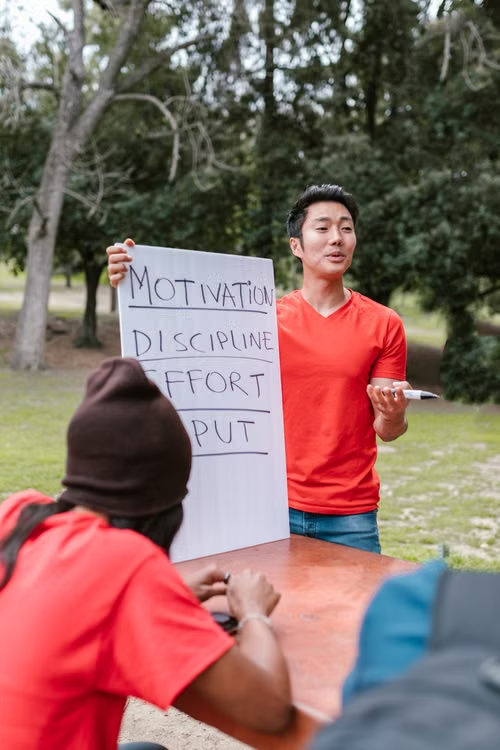
How Youth Mentoring Supports Positive Youth Development
Strengths don’t grow in isolation. They grow through relationships, and a mentor is one of the most powerful relationships a young person can have outside their family.
Youth mentoring turns these principles into everyday moments: a conversation after a hard day, encouragement before a big test, or patience during a difficult season. The Institute of Youth Development and Excellence (IYDE) prepares mentors with specific skills for these moments, and each one connects to one of the key benefits of mentoring youth:
- Trust leads to belonging: when a mentor keeps showing up and keeps their word, a young person learns they matter and that they’re not alone.
- Listening builds self-esteem: being truly heard tells a young person their thoughts and feelings are worth something.
- Goal-setting builds confidence: when a mentor helps a young person choose a goal and take small steps toward it, every step proves they’re capable.
- Conflict resolution builds respect: learning to handle disagreements calmly teaches young people to respect others and themselves.
- Steady support through hardship builds resilience: when a young person faces loss, family changes, or difficult circumstances, a steady mentor helps them learn they can get through hard times.
- Team building builds leadership: working with others toward a shared goal helps young people discover their ability to lead and contribute.
These benefits of mentoring youth reach well beyond one relationship. A young person who feels connected and capable carries those strengths into school, friendships, family life, and eventually their community. Many go on to mentor others, which keeps the cycle going.
This is why the Institute of Youth Development and Excellence (IYDE) focuses on preparing the next generation of mentors. Good intentions matter, but skilled mentors are the ones who turn a young person’s potential into lasting growth.
Frequently Asked Questions
Q1.What are the 5 Cs of positive youth development?
The 5 Cs are competence, confidence, connection, character, and caring. They describe the qualities young people develop when they grow in a supportive environment. When all five are strong, young people often show a sixth C: contribution to their family and community.
Q2.Why is positive youth development important?
It matters because it helps young people build on their strengths instead of only avoiding problems. This approach prepares them to become confident, responsible adults who contribute to their communities.
Q3.How does youth mentoring help young people?
Youth mentoring gives young people a trusted adult who listens, encourages, and guides them. Through this relationship, young people build confidence, character, resilience, and a sense of belonging.
Q4.What are the benefits of mentoring youth?
The benefits of mentoring youth include stronger self-esteem, better communication skills, greater confidence, healthier ways of handling conflict, resilience during hard times, and leadership skills that last into adulthood.
Q5.Who can support positive youth development?
Anyone who cares about young people can help. Parents, teachers, coaches, community leaders, and volunteer mentors all play a part by building caring relationships and helping young people grow their strengths.
Conclusion
Every young person has strengths worth building. This approach reminds us to look for those strengths first, and mentors are often the people who help bring them to life.
At the Institute of Youth Development and Excellence (IYDE), that belief sits at the heart of everything: caring adults, prepared with the right skills, helping young people grow into confident, capable leaders.