
Almost everyone can name one adult who believed in them when it mattered. A teacher who noticed when something was wrong, a coach who stayed after practice, or a neighbour who always had time to listen.
That person probably never called themselves a mentor, but that’s exactly what they were. So, what is a mentor, and what does it take to be a good one? This guide explains it in simple words.
What Is a Mentor and the Role of a Youth Mentor
What is a mentor? A mentor is a trusted adult who uses their time, experience, and care to guide a young person’s growth. A youth mentor doesn’t grade, manage, or give orders. Instead, they build a relationship that helps a young person grow in confidence, character, and purpose.
At the Institute of Youth Development and Excellence (IYDE), the mission is “preparing the next generation of mentors,” because mentorship works best when it is positive, consistent, and long-lasting. In practice, the role of a youth mentor includes:
- Listener: a mentor understands before giving advice, because being heard is often what a young person needs most.
- Guide: a mentor asks good questions that help young people reach their own answers instead of handing them solutions.
- Encourager: a mentor notices effort and progress, not just results.
- Role model: a mentor teaches as much through actions as through words.
- Steady adult: a mentor keeps showing up, especially when other parts of a young person’s life feel uncertain.
When a young person has an adult like this, the difference shows. They gain confidence because someone believes in them, character because they see honesty and responsibility in action, resilience because they don’t face hard times alone, and a real sense of belonging.
It also helps to know what a mentor is not. A mentor is not a replacement for a parent, a therapist, or a boss, and a mentor doesn’t need to have all the answers. Good mentors are comfortable saying, “I don’t know, but let’s figure it out together.” Understanding what is a mentor in this way makes the role feel much more achievable.
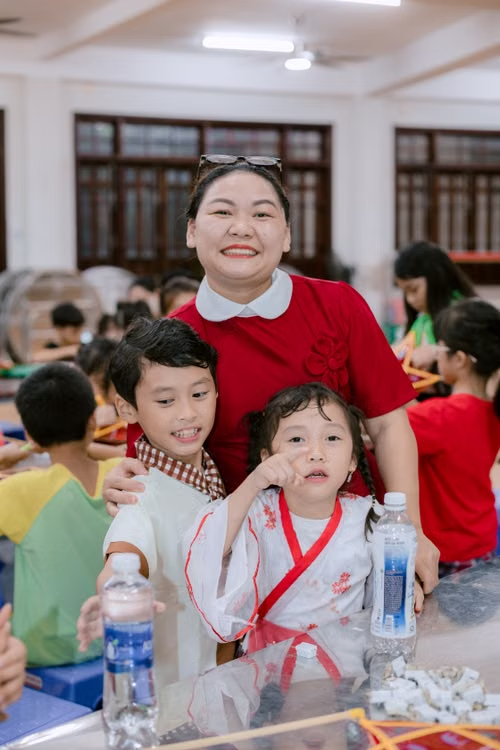
Qualities of a Good Mentor
Caring about young people is where mentoring begins, but caring alone isn’t enough. The qualities of a good mentor are skills, and like any skill, they can be learned and practised.
These are the qualities of a good mentor that the Institute of Youth Development and Excellence (IYDE) focuses on when preparing mentors:
- Builds trust: young people don’t open up because of a title. They open up because someone keeps showing up and keeps their word.
- Listens actively: a good mentor listens to understand, not just to reply, and pays attention to what isn’t being said.
- Praises with intention: specific, honest praise like “You didn’t give up on that” builds far more than general compliments.
- Builds self-esteem: a good mentor helps young people see their own strengths, especially the ones they overlook.
- Empowers goal setting: instead of setting goals for them, a mentor helps young people choose their own and take small steps toward them.
- Solves problems together: a good mentor asks, “What do you think you could do?” before offering a solution.
- Respects culture and diversity: every young person comes from a unique background, and a good mentor honours it.
- Stays calm when anger shows up: anger is often a sign of something deeper, so a good mentor responds with patience instead of reacting.
- Turns conflict into growth: disagreements become chances to teach respect, communication, and problem-solving.
- Stays steady through hardship: when a young person faces loss, family changes, or difficult circumstances, a good mentor stays consistent and supportive.
When a mentor brings these qualities into a young person’s life, the impact travels further than one relationship. Confident young people make better choices, carry healthy habits into their families and friendships, and often go on to mentor others. The Institute of Youth Development and Excellence (IYDE) describes this as developing “strong, moral leaders” who strengthen their communities.
Frequently Asked Questions
Q1.What is a mentor in simple words?
A mentor is a trusted person who uses their time, experience, and care to guide someone else’s growth, usually through a long-term, supportive relationship.
Q2.What does a youth mentor do?
A youth mentor listens, encourages, and guides a young person, helping them build confidence, character, and resilience through a consistent relationship.
Q3.What are the qualities of a good mentor?
The most important qualities of a good mentor include trust, active listening, patience, respect, and consistency. Good mentors also help young people solve problems, set goals, and handle conflict and hardship.
Q4.Do I need experience to become a mentor?
No. Many great mentors start with no formal experience. What matters most is commitment, and the core skills of mentoring can be learned over time.
Q5.Is a mentor the same as a coach?
Not quite. A coach usually focuses on a specific skill or performance goal. A mentor focuses on the whole person, including their confidence, character, and direction in life, often over a longer period.
Conclusion
Think back to that one adult who believed in you, and imagine being that person for someone else. What is a mentor, in the end? Not someone with all the answers, but someone who shows up, builds trust over time, and helps a young person grow into who they’re meant to be.
At the Institute of Youth Development and Excellence (IYDE), that’s what preparing the next generation of mentors is all about: one caring adult, one young person, and a relationship that lasts.